Designing a gamified Google Pay campaign for World Cup 2026
Tick Squad was a World Cup 2026 engagement campaign designed to encourage repeat use of Google Pay through gamified tasks, progress tracking, and rewards.
As the Content Designer on the campaign, I helped shape how users understood the mechanics, moved through tasks, and stayed motivated from entry to completion
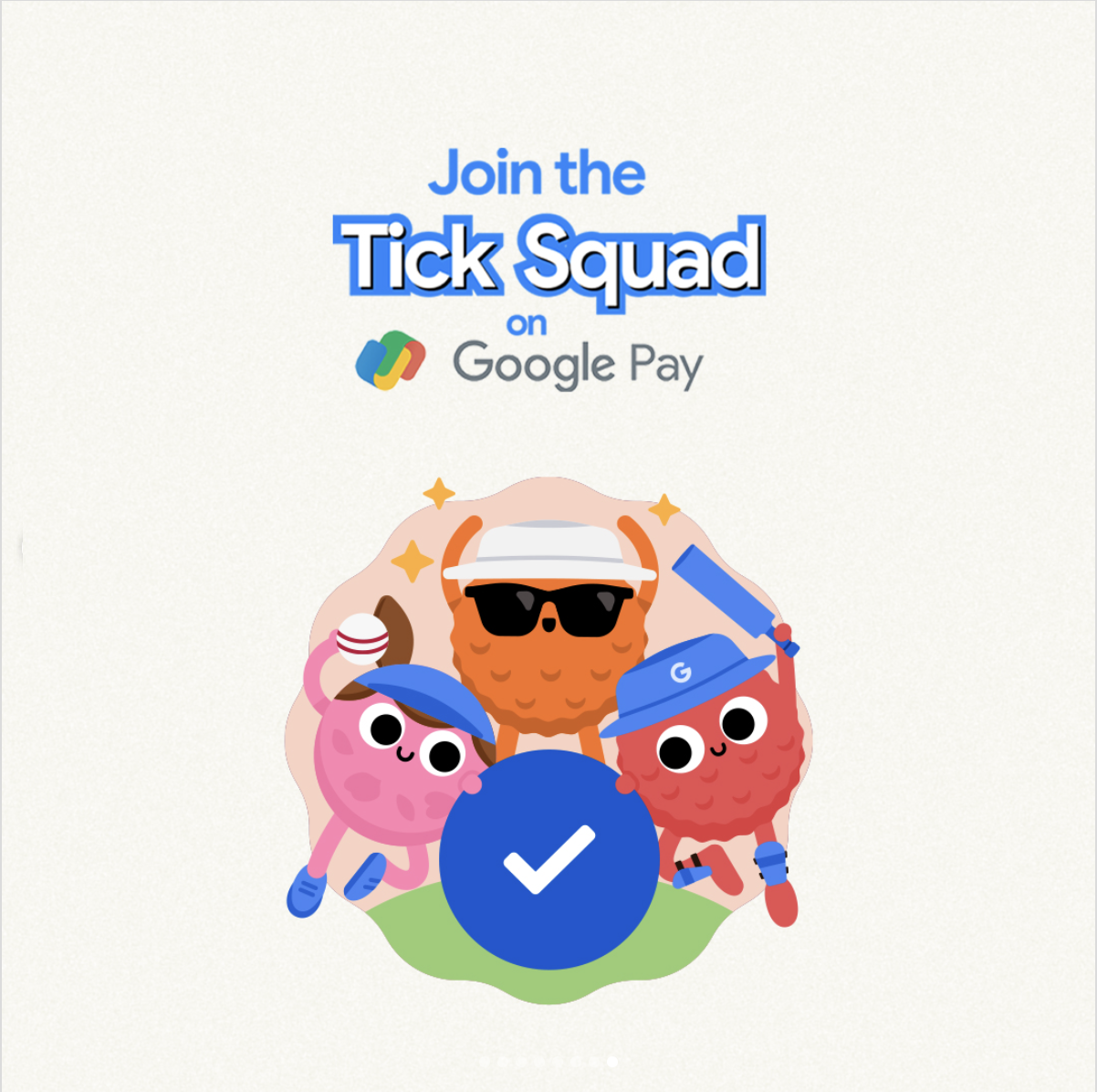
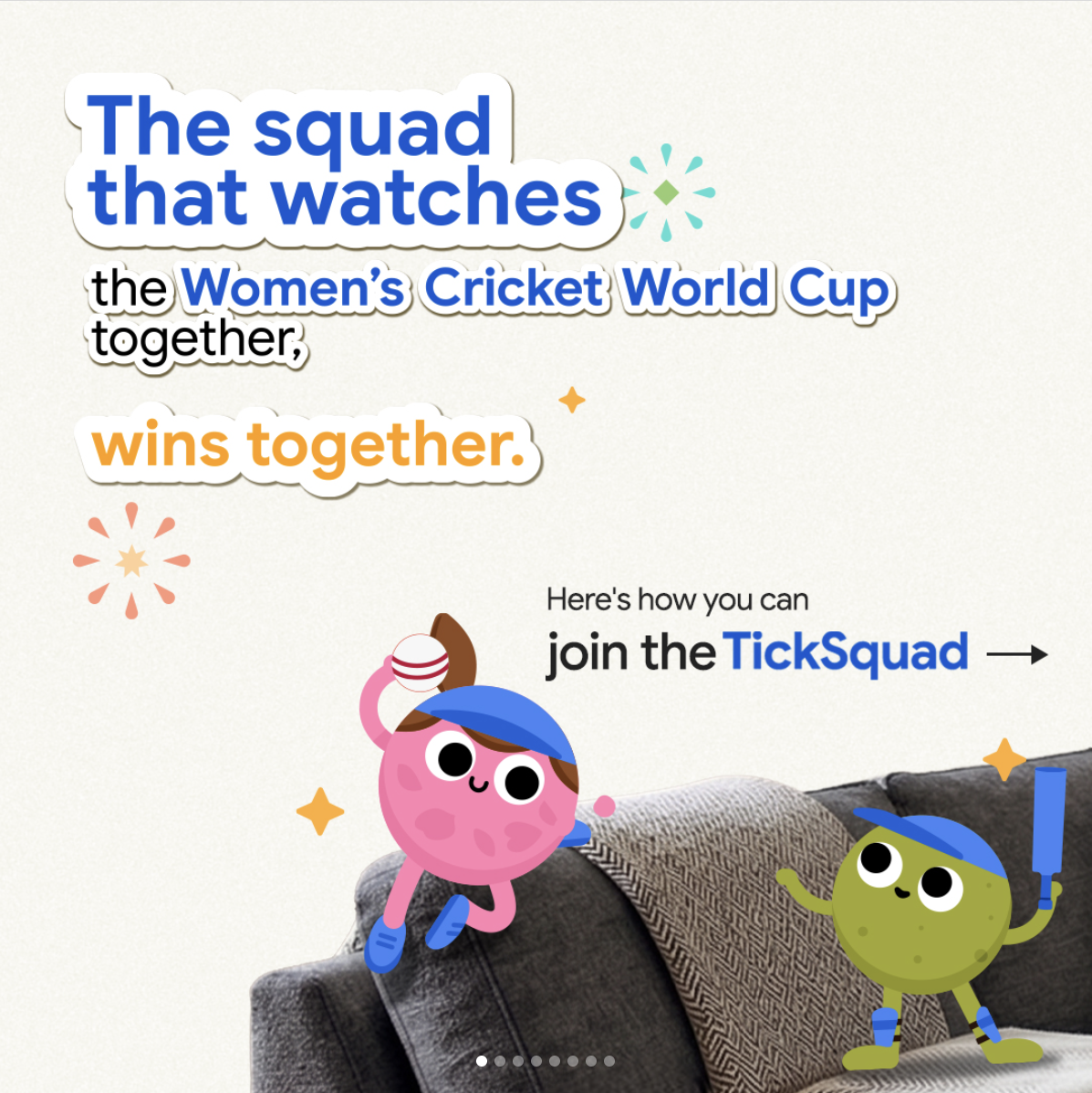
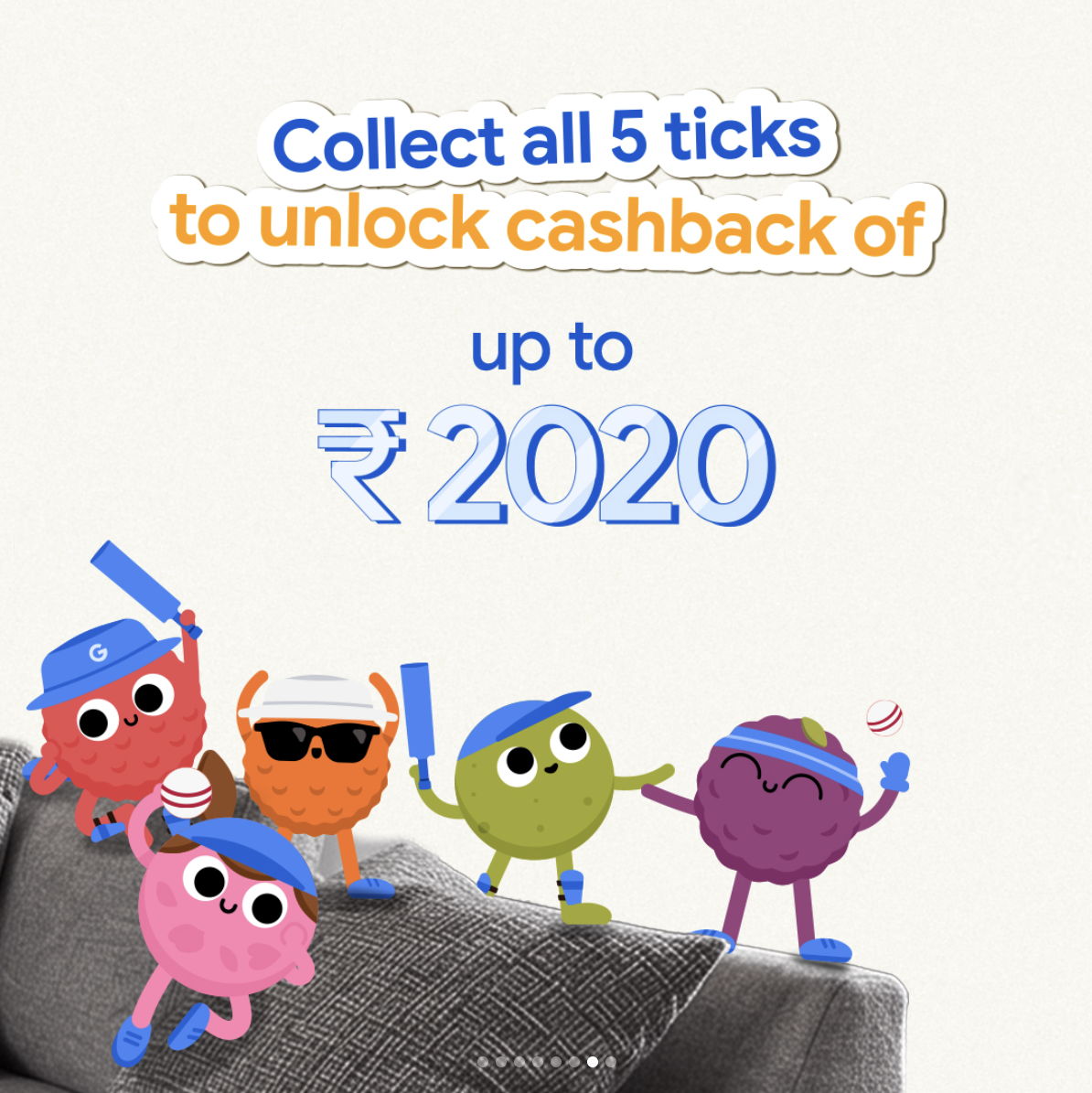
WHAT I DID
Worked closely with the PM to clarify campaign mechanics, user tasks, and reward logic.
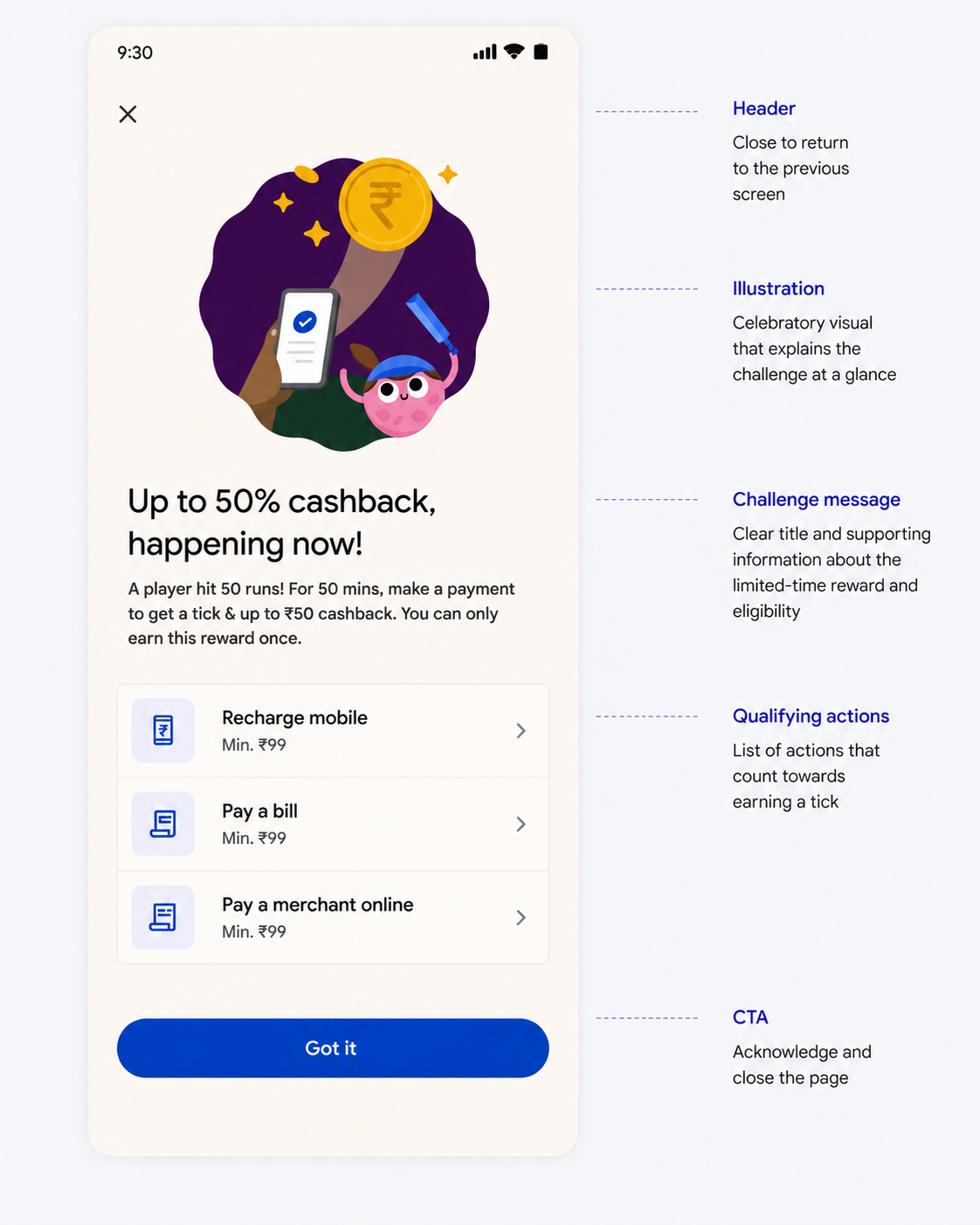
Translated product rules into simple, action-led campaign messaging.
Wrote and coordinated copy across onboarding, task lists, progress states, rewards, completion, and campaign closeout.
Collaborated with Product Design and Illustration on campaign naming, visual storytelling, and moments of delight.
Shaped messaging to make progress feel motivating even before users reached a final reward.
Worked with Legal and Compliance to refine eligibility, qualifying actions, and reward messaging before launch.
Helped maintain consistency between campaign mechanics, UX copy, and visual treatment across the experience.
CHALLENGE
The campaign needed to drive repeat engagement without making the experience feel transactional or overly complex.
As the mechanics evolved, users needed a simple way to understand what actions counted, how progress worked, and what rewards they could earn. At the same time, campaign messaging had to remain accurate and compliant across eligibility, qualifying actions, and reward conditions.
SOLUTION
I worked across Product, Design, Illustration, Legal, and Compliance to turn evolving campaign mechanics into a clear, cohesive engagement journey.
Rather than treating copy as a final layer, I helped shape how the campaign was positioned, how tasks were framed, and how progression, rewards, and moments of delight worked together to encourage continued participation.
Campaign strategy
I approached the experience as an engagement funnel rather than a series of standalone screens. The content needed to support three key stages:
Acquire attention: Make the campaign easy to understand at first glance and communicate the value of participating.
Sustain engagement: Use clear tasks, progress messaging, and reward framing to encourage users to return and complete more actions.
Close the loop: Give users a satisfying sense of completion and end the campaign on a positive brand moment.
MEASURING CAMPAIGN EFFECTIVENESS
I also considered how the campaign could be measured beyond reward distribution. I proposed tracking the user journey from campaign entry through task completion and repeat participation. Key measures included:
Campaign entry rate from eligible users
Task start and completion rates
Progression and drop-off between milestones
Repeat participation / return rate during the campaign
Reward unlock and redemption rates
Post-campaign usage of promoted Google Pay features
At the content level, I would also monitor where users dropped off or needed additional help. These signals could identify tasks, reward conditions, or messages that needed to be simplified or tested further.
Content strategy in the experience
MAKE TASKS ACTIONABLE
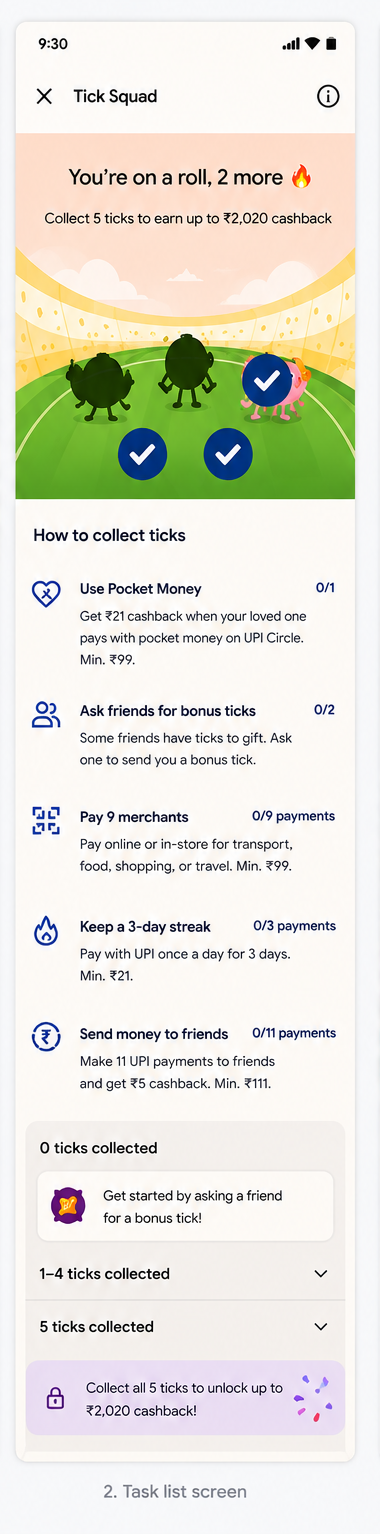
Campaign rules could become complicated quickly, so I wrote task names around the action users needed to take and kept supporting copy focused on the information required to qualify.
Examples included task labels such as Pay 9 merchants, Keep a 3-day streak, and Send money to friends.
This made the task list easier to scan and helped users understand what to do next without needing to interpret the underlying campaign logic.
MAKE PROGRESS EASY TO UNDERSTAND
Progress messaging needed to answer three questions quickly: What have I achieved? What do I need to do next? What can I earn?
Messaging such as “You’re on a roll, 2 more” combined functional progress with encouragement, while supporting copy reinforced the reward users were working towards.
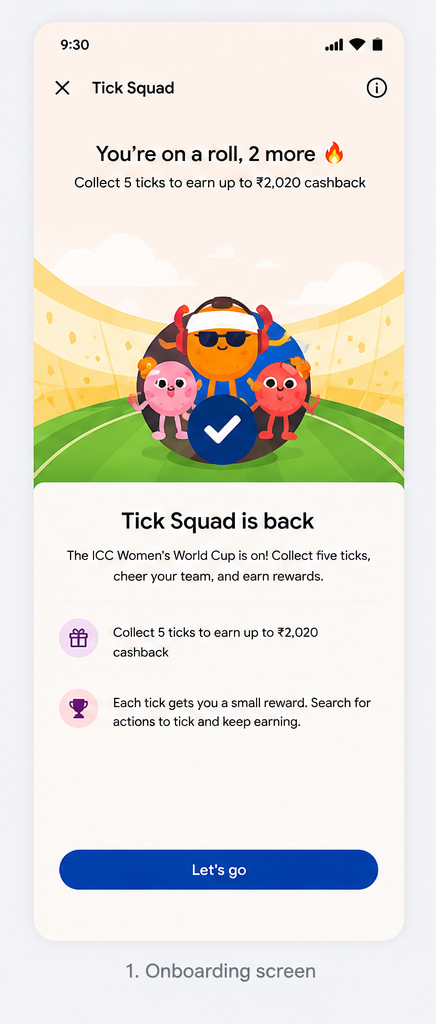
USE PERSONALITY AT THE RIGHT MOMENTS
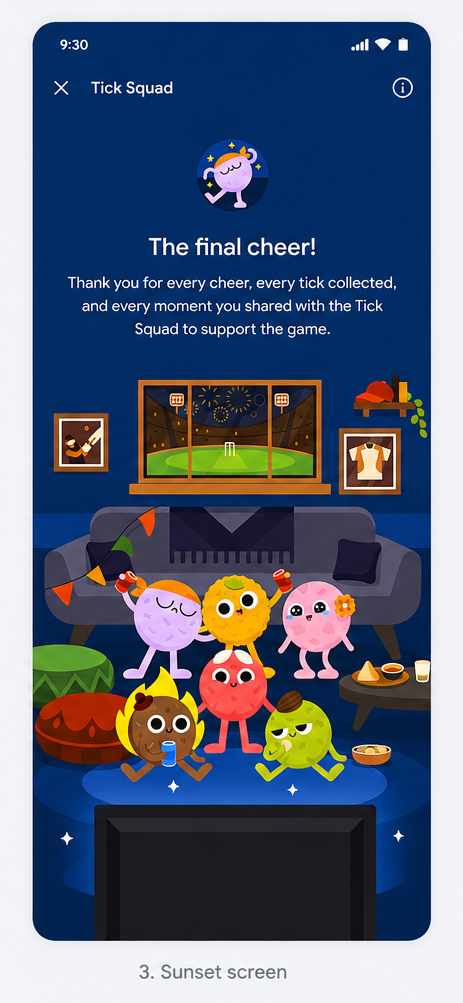
Functional moments prioritised clarity, while onboarding, progress, and completion gave the campaign more room for personality. For the campaign closeout, the message shifted from instruction to appreciation: The final cheer!
The closing message thanked users for participating rather than focusing only on whether they had earned a reward, helping the experience end on a warmer brand moment.
DESIGN COPY AND ILLUSTRATION TOGETHER
I worked with designers and illustrators so the writing and visual storytelling reinforced each other rather than functioning as separate layers.
This was especially important in progress and celebratory states, where the emotional experience was part of what made the campaign feel rewarding
Campaign strategy
I approached the experience as an engagement journey rather than a set of standalone screens.
The content supported three stages:
Entry: Make the campaign easy to understand and communicate the value of participating.
Engagement: Use clear tasks, progress messaging, and reward framing to encourage continued participation.
Completion: Give users a satisfying sense of progress and close the campaign on a positive brand moment.
Outcome
The final experience brought campaign strategy, product mechanics, copy, and illustration together into a more cohesive gamified journey.
My contribution focused on making participation easier to understand, sustaining motivation across the campaign, and balancing engagement goals with legal and compliance requirements.