Redesign of OCBC Digital &
Sunset of OCBC PayAnyOne
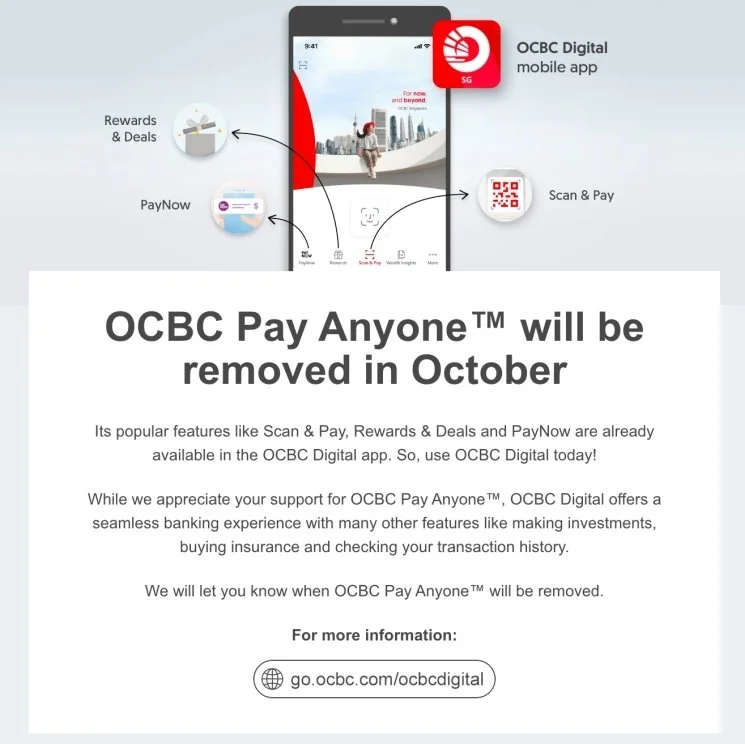
OCBC was consolidating its digital banking experience by retiring the standalone PayAnyone app and moving key features into the main OCBC Digital app. At the same time, the main app’s information architecture needed to be reworked to support a broader set of services and make everyday banking tasks easier to find.
CHALLENGE
Information Architecture Revamp: The existing structure of the OCBC Digital app needed a significant overhaul to include additional features from OCBC PayAnyone and improve overall usability.
User Attachment to PayAnyone: OCBC PayAnyone was popular among users for its faster loading speed compared to the main OCBC Digital app. However, the cost of maintaining 2 separate apps was becoming increasingly unsustainable.
SOLUTION
Tree Testing for Information Architecture: Conducted tree testing to identify the optimal structure for the revamped OCBC Digital app, ensuring that users could easily find and access the services they need.
Simplified Service names: Service names were shortened for consistency and followed either a [Noun] or [Verb]+[Noun] format.
Collaborative timeline: Held biweekly meetings with Digital Business, Marketing, Legal and Compliance, Operations and Technology teams to coordinate the timeline for sunsetting OCBC PayAnyone and migrating users to the main OCBC Digital app.
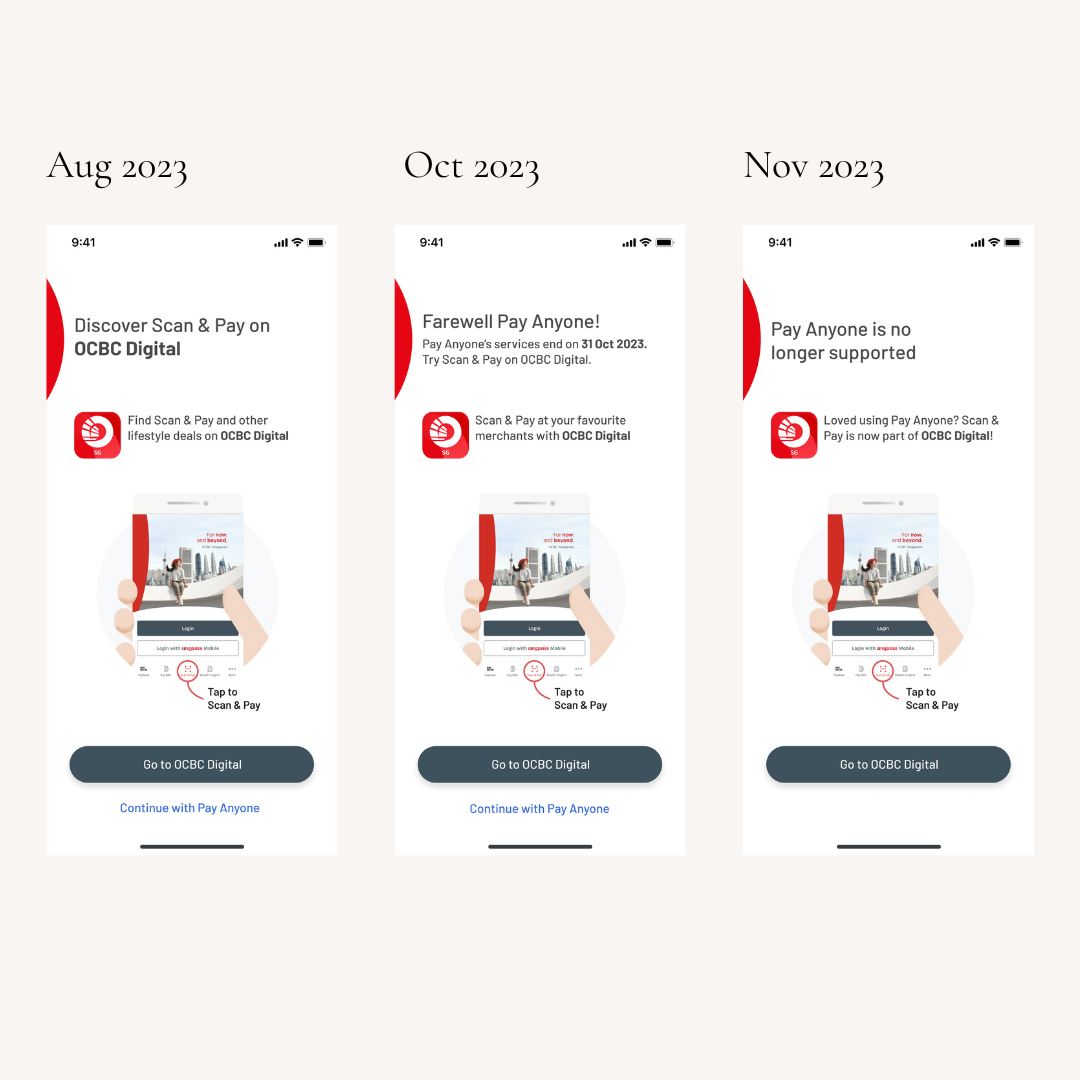
I collaborated closely with Digital Business, Marketing, and Editorial teams to develop a clear timeline for transitioning users from OCBC PayAnyone to the main OCBC Digital app.
The process was divided into 3 key phases:
(a) From August 2023, we encouraged users to explore the Scan & Pay feature in the main app
(b) In October 2023, we announced the final end date of 31 October 2023 and reminded users.
(c) From 31 Oct-Nov 2023 onwards, we notified all PayAnyone users that the service had ended and guided them to the OCBC Digital app.
Consistency in messaging was maintained across all communication channels, including social media, email and in-app notifications.
Sunset of PayAnyone
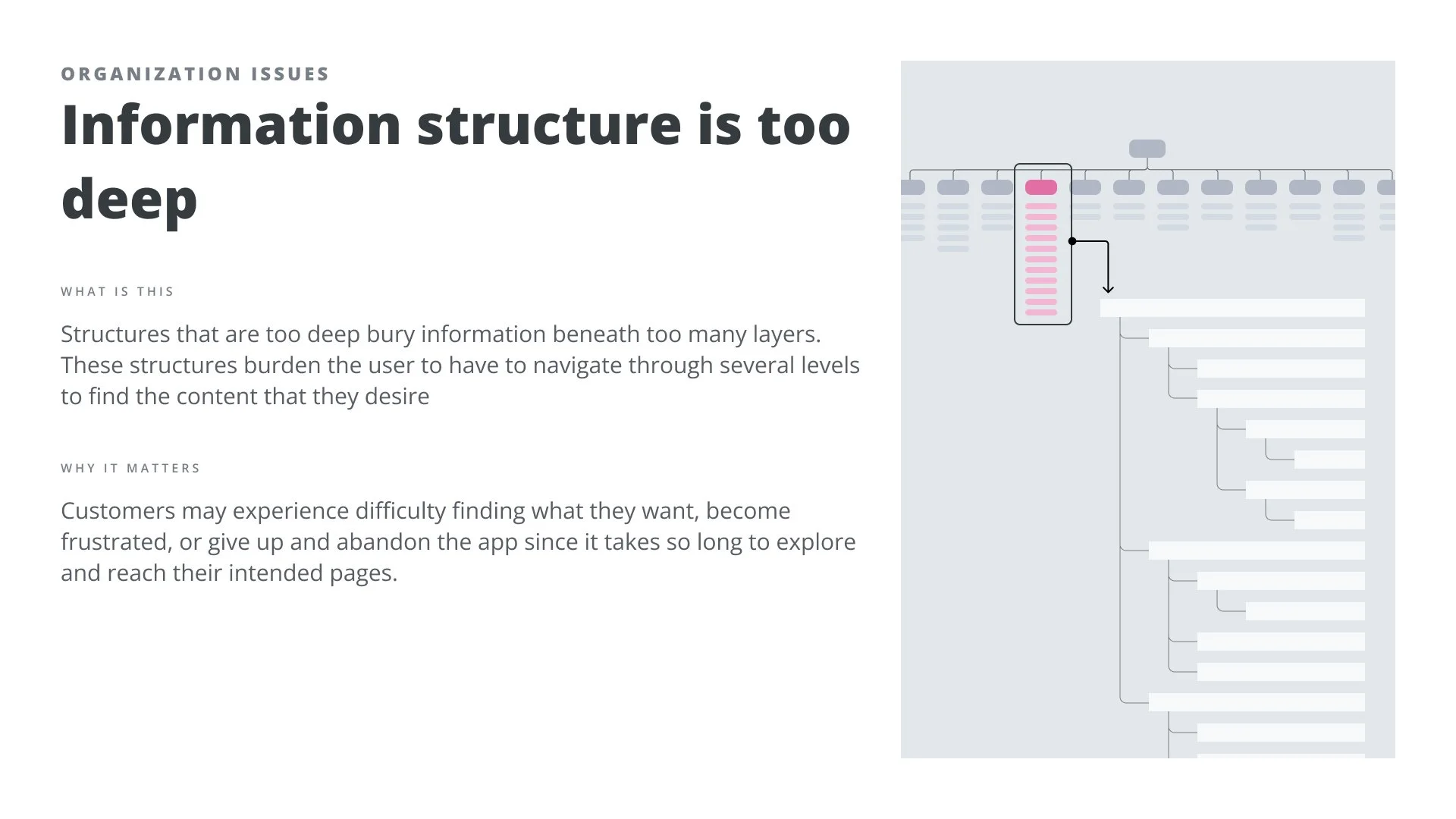
The existing information architecture had several issues:
Navigation paths were too deep, making it difficult for users to find key services for investments, insurance, and loans.
Other navigation paths were too broad and under-utilised, such as the sections for rewards, deals, and tools like the OneToken (digital token).
There were inconsistencies in the hierarchy and granularity of content, leading to a confusing user experience.
Challenges with Current Information Architecture
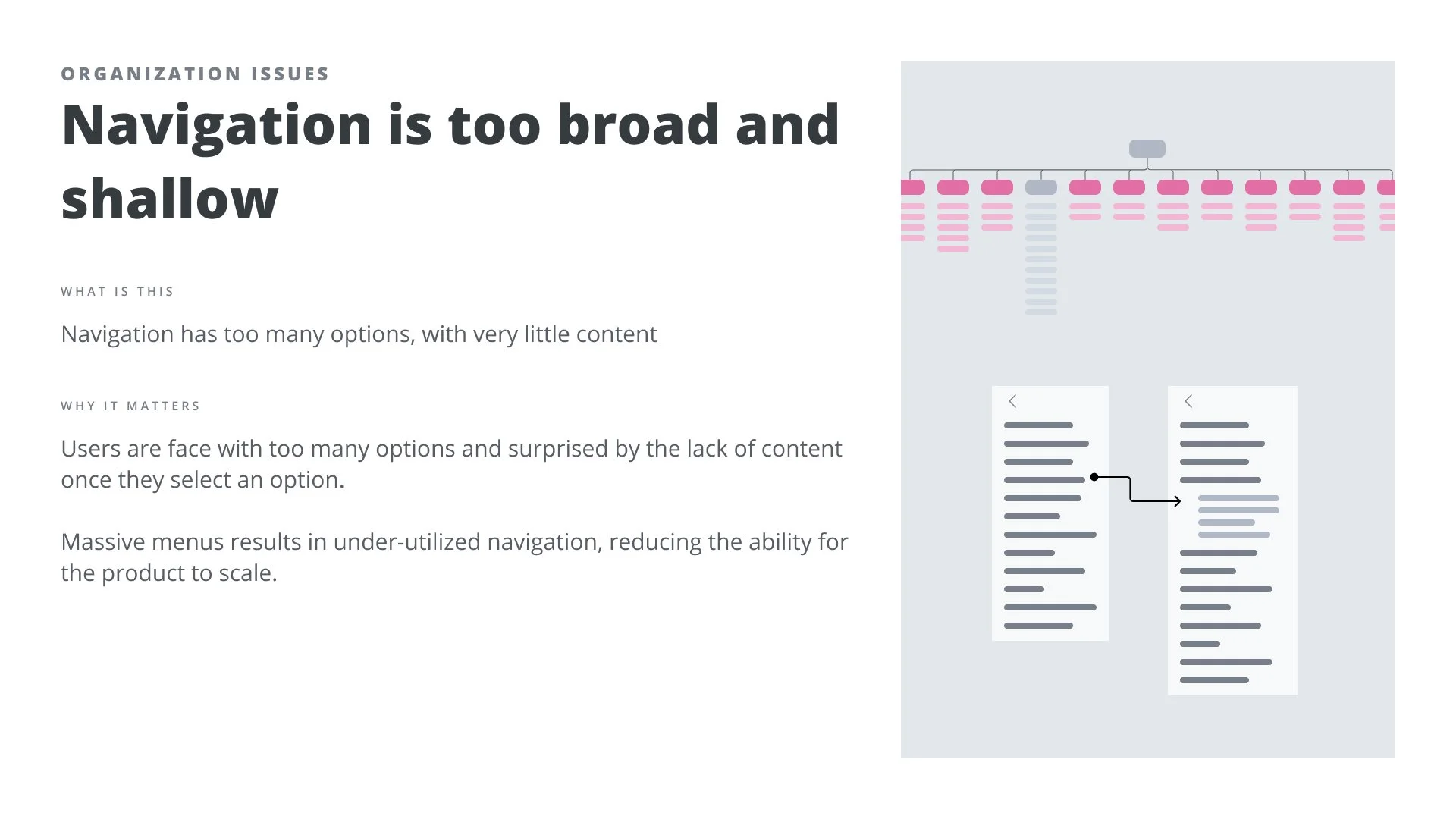
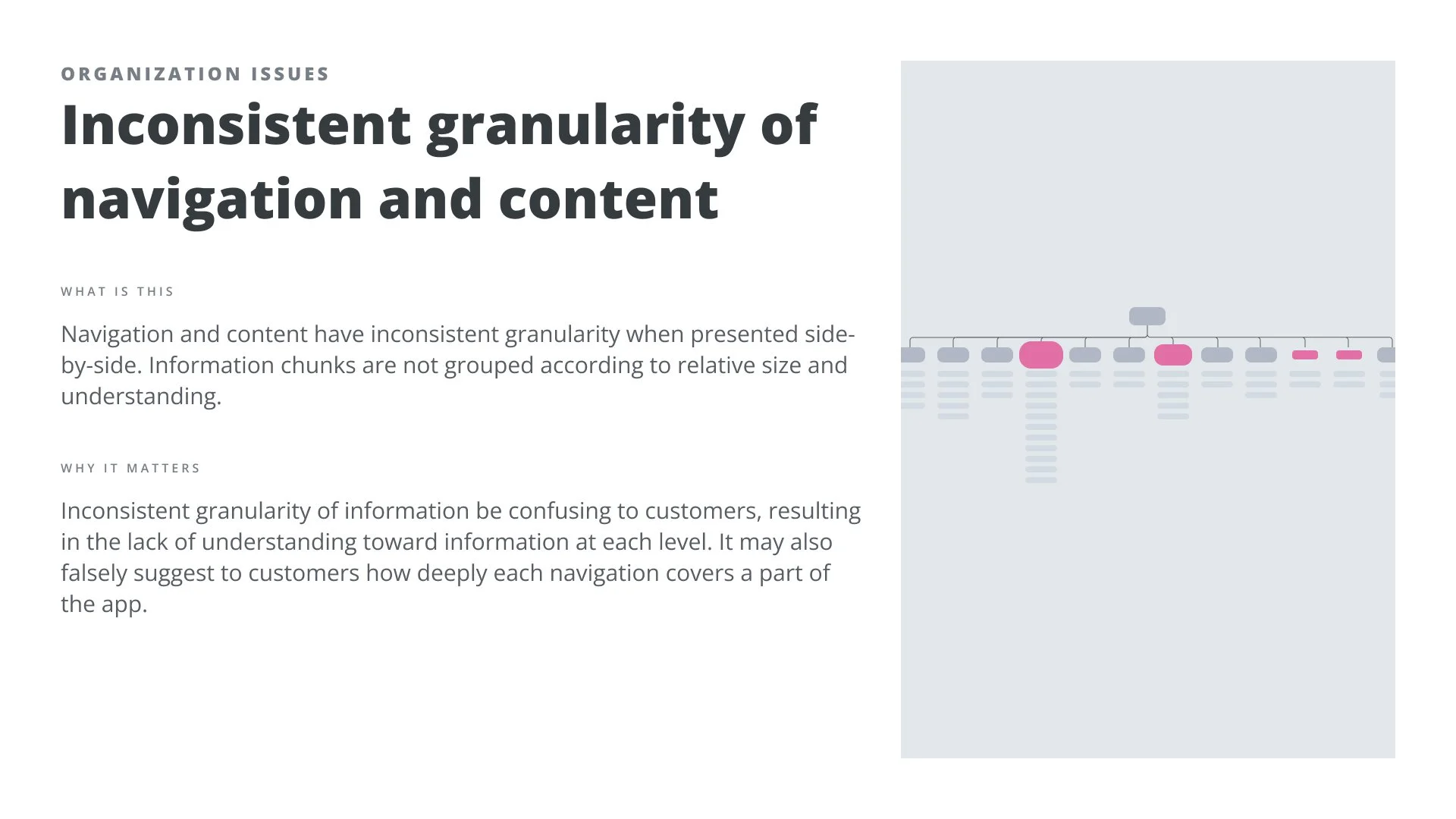
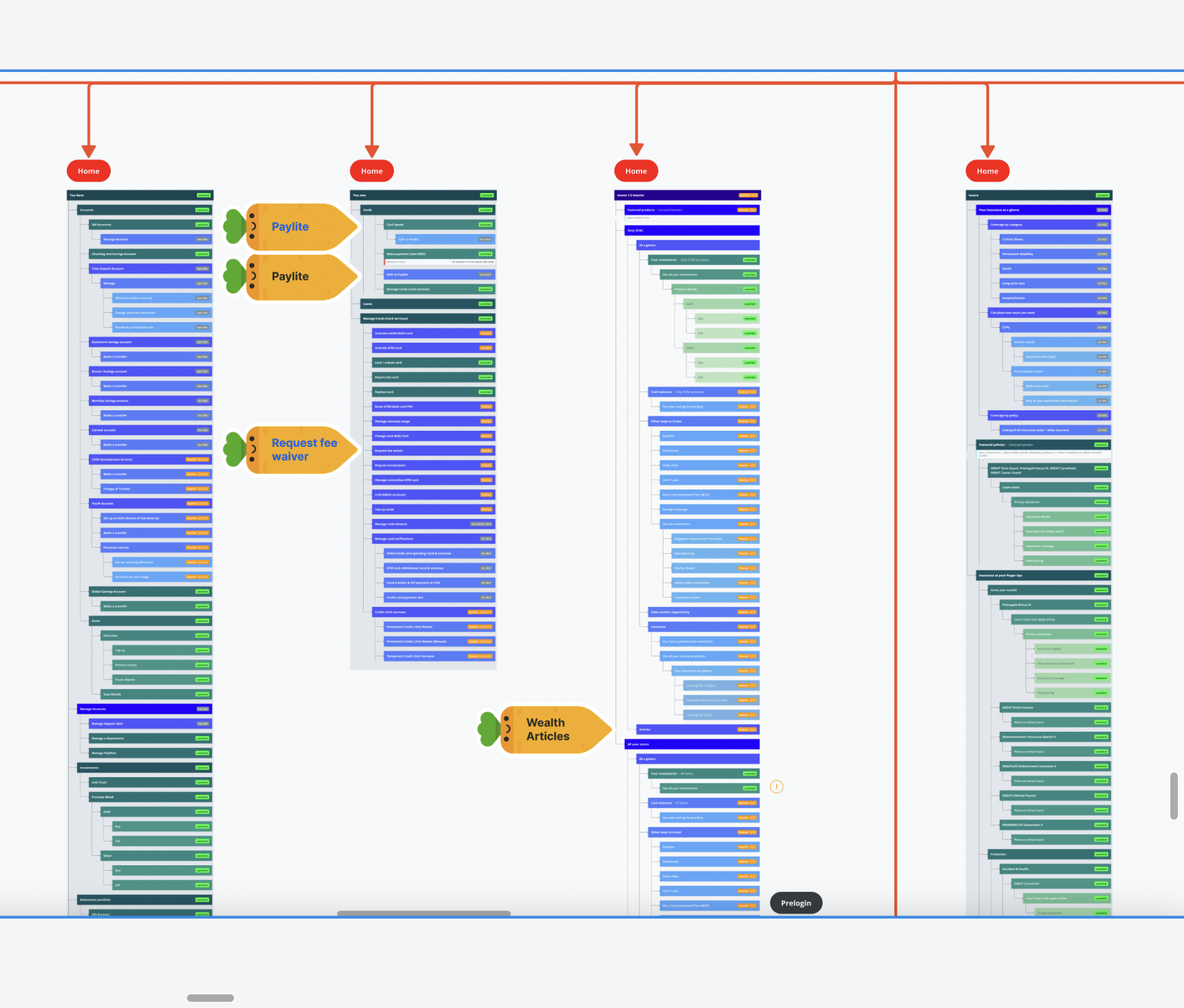
To address these issues, I worked with a team of 18-20 designers and researchers to prioritise essential banking tasks for testing, focusing on actions such as making a payment or transfer, finding statements, purchasing investments or insurance, and exploring deals and rewards.
I helped craft tree-testing scenarios that accurately reflect real user tasks and needs. I also standardised and shortened labels for 250 services to either a [noun] or a [verb]+[noun] format for clarity.
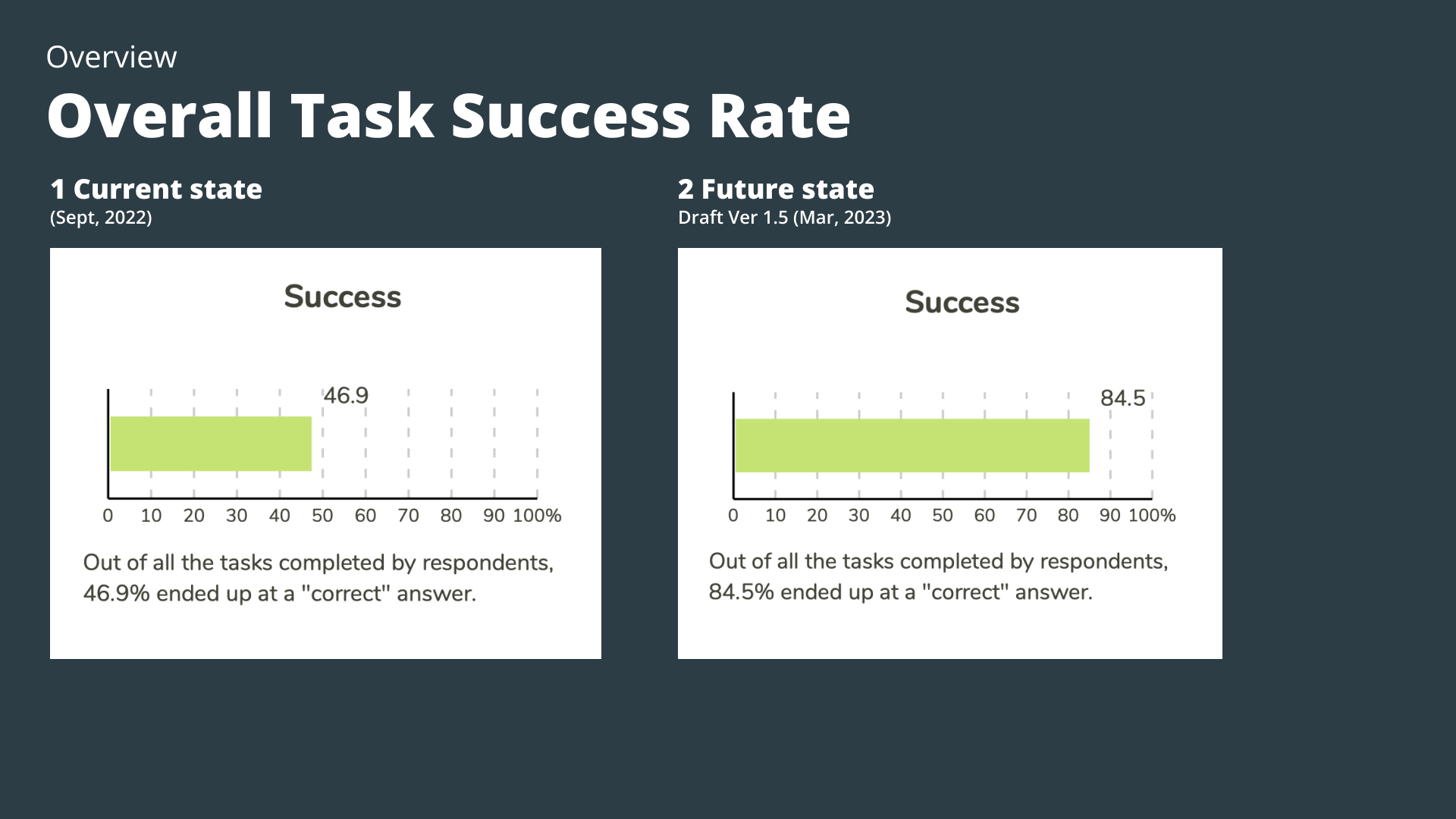
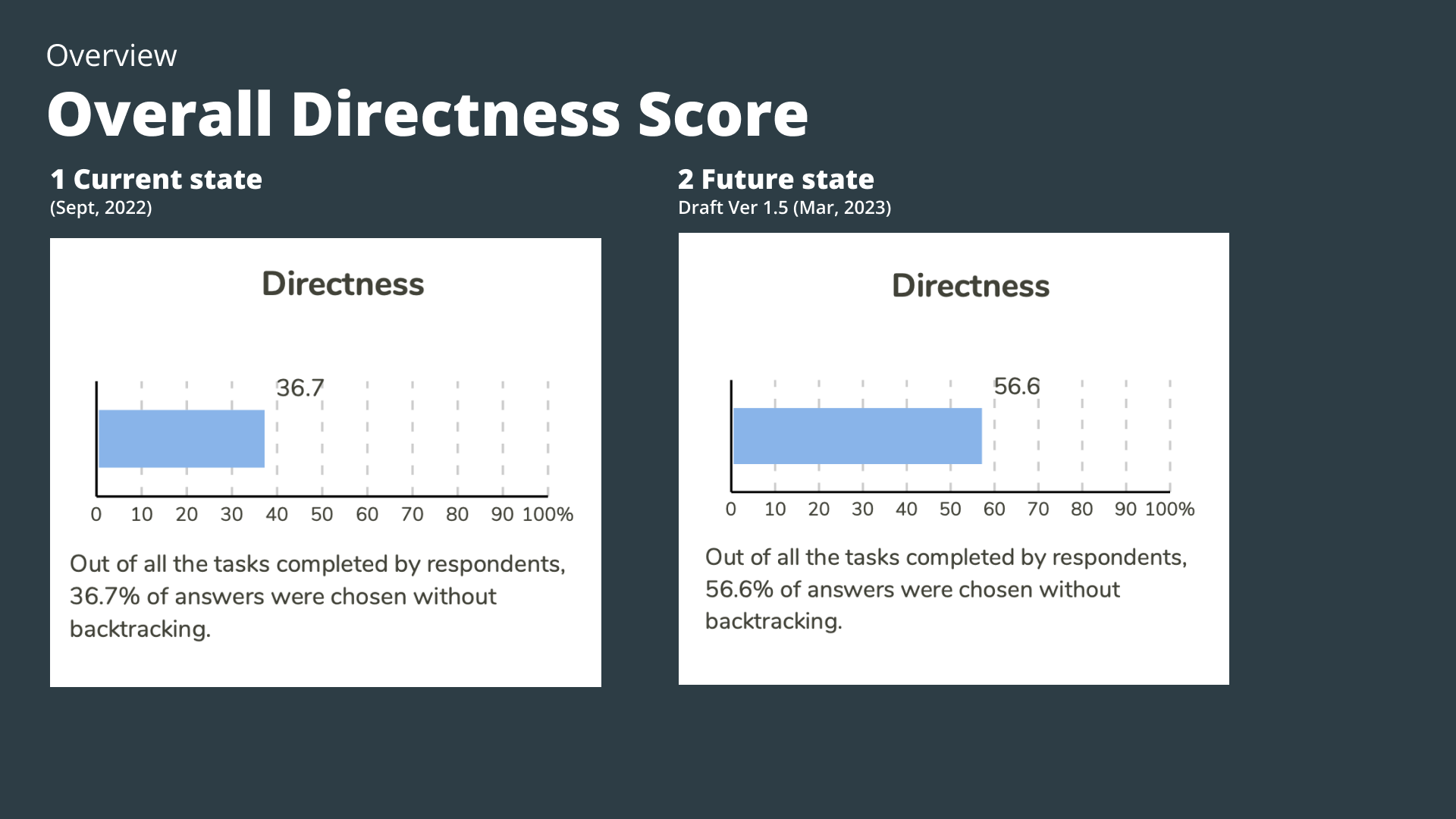
Based on results from 28 participants, this approach improved the average task success rate from 46.9% to 84.5% and increased directness of navigation from 36.7% to 56.6%, significantly enhancing the overall user experience.
Tree-Testing for Information Architecture
Outcome
Successful migration: OCBC PayAnyone was successfully archived, with most users transitioning seamlessly to the main OCBC Digital app to continue using features like Scan & Pay.
Improved navigation experience: The redesigned OCBC Digital app is set to launch in Q4 2024, offering a more cohesive and user-friendly experience for customers.